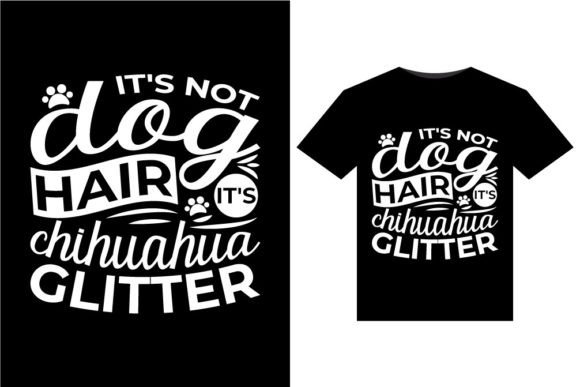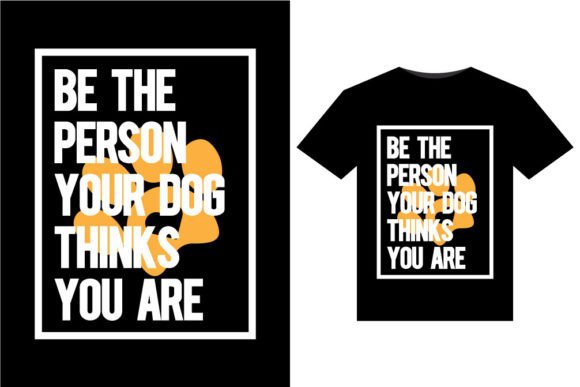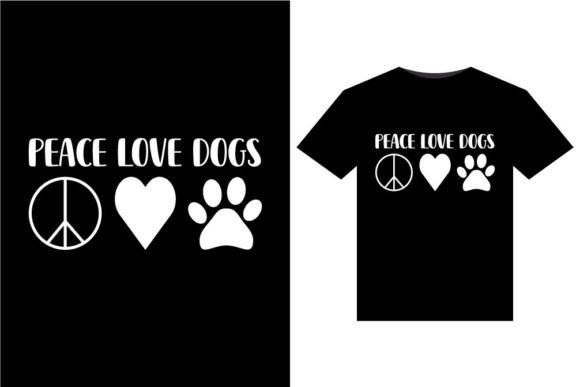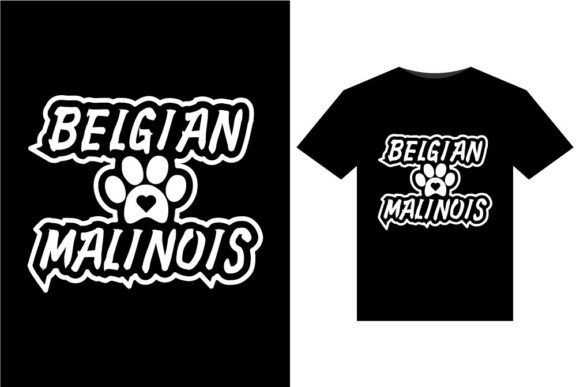
Dog Dad Design: A Stitch-Ready Review
Last week, a client handed me a plain organic cotton tote bag and asked for something tangible to capture the bond with their rescue pup. I immediately pulled up the Dog Dad T-Shirts Design. It is one of those graphics that feels instantly familiar without being generic. As a designer who spends more time digitizing than doodling, I appreciate when a vector file arrives clean and ready for interpretation.
A Designer’s Take on the Dog Dad Vibe
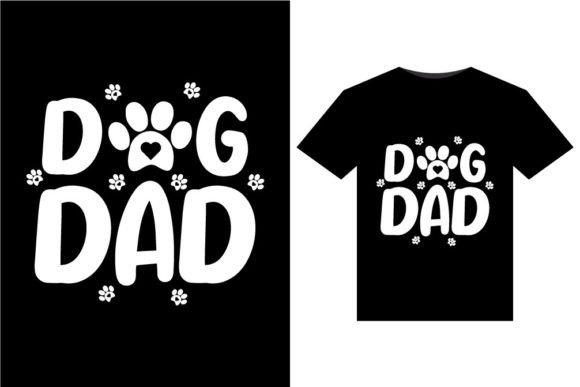
The illustration strikes a balance between playful and polished. It does not rely on overused clip art or predictable silhouettes. Instead, it offers a hand-drawn quality that stitches out with genuine character. The line weights are consistent, which is a huge green flag for anyone converting graphics into machine embroidery design files. The thickness is generous enough to hold structure under a needle, yet refined enough to feel bespoke. This is not a heavy, cluttered piece of art. It breathes.
When I first opened the files, I looked for the usual pitfalls: overlapping paths, tiny gaps that would turn into thread soup, and detail levels that look great on screen but turn into a mess on fabric. The Dog Dad T-Shirts Design passed that first inspection cleanly. The theme is immediately relatable—it speaks to a massive audience of pet lovers who want their gear to reflect a genuine lifestyle, not just a cheap slogan.
From Mockup to Machine: Real World Stitching
Placing a design on a shirt is one thing. Getting it to look sharp after 50 washes is the real test. Here is how this illustration performed across the physical projects I tested it on.
Custom Apparel and Sweatshirts
Centered on the back of a heavy cotton sweatshirt, this design earns its keep. The scale is easy to adjust because it is 100% vector. I sized it up for an adult hoodie and down for a toddler’s long sleeve. The clarity held at both ends. For left chest placements on a standard custom apparel tee, the design sits well without overwhelming the garment. The fill stitch areas are straightforward to digitize, and the open spaces in the art make it feel airy rather than dense.
Tote Bags and Accessories
Canvas totes are a staple for any craft business. The Dog Dad T-Shirts Design locks in beautifully on a structured tote. Because it is vector, it handles the jump from a digital mockup to a thick canvas surface without distortion. I tested a version on a lined zipper pouch as well. The compact size worked perfectly, and the thread colors popped against the natural fabric. For handmade product lines, this is a reliable asset.
Caps and Curved Surfaces
This is where the type of design matters. Detailed illustrations can get lost or warp on the curve of a cap. The clean shapes in this embroidery file make it a strong candidate for structured front panels. I recommend monitoring your stitch density closely when shrinking it down for a cap. The vector format makes resizing easy, but smaller sizes require a digitizer who understands running stitch paths and underlay. If you are new to cap embroidery, test this on a scrap panel first to confirm the registration holds.
Embroidered Patches
For sew-on or iron-on patches, this design is practically begging to be framed. The clear silhouette works well with a satin stitch border. I created a batch of patches for a local pet store, and they sold out quickly. The aesthetic is clean enough to look professional on a patch, and the theme connects immediately with the buyer. Patches are a low-cost entry point for testing a design in your small shop product lineup.
Where This Design Shines and Where to Take Care
No design is perfect for every surface. My job is to tell you where to push and where to pull back.
Best Use Cases
- Stable fabrics: Denim jackets, canvas bags, twill aprons, and structured cotton tees. The design holds its shape and does not distort easily on these materials.
- Gift items: This is a strong candidate for a personalized gift. Father’s Day, adoption anniversaries, and birthday presents all feel natural with this theme.
- Boutique merchandise: For sellers on Etsy or at craft fairs, the design translates directly into a product that customers understand immediately. It builds trust because the message is clear and the execution looks premium.
- Sweatshirt embroidery: The slightly heavier fabric of a sweatshirt complements the weight of the illustration. The texture adds depth to the thread colors.
Cautions Before You Commit
- Small hoop sizes: If you are shrinking this down for a baby embroidery onesie or a delicate tea towel, pay close attention to the finer elements. A good digitizer can simplify the vector art, but extremely small details might need to be removed or widened to stitch cleanly.
- Textured and stretchy fabric: Heavy fleece, pique knit, or ribbed materials can swallow fine details. I always recommend testing on a similar fabric scrap first. Use a high-quality stabilizer—a cutaway stabilizer is usually safer for knit fabrics to prevent the design from distorting over time.
- Dark fabric backgrounds: The design relies on clear contrast. If you are stitching on black or navy, choose thread colors that will stand out. A printable mockup in black and white can help you visualize where the open spaces might blend into a dark shirt.
- Layered garments: Jackets with linings or thick seams require extra care. Hoop only the area you are stitching. Do not force the fabric. Proper hooping prevents misalignment.
Building a Best-Seller Around Pet Love
For Etsy sellers and boutique owners, the Dog Dad T-Shirts Design hits a sweet spot. The pet niche is massive, and Dog Dad themes have proven staying power. They are not a passing trend. Customers commissioning embroidered pet gifts want quality. Starting with a strong visual foundation like this ensures a professional finished product every time.
Because it is vector, you can easily generate design assets for your online store. Mockups can be made without embroidering ten samples first. This saves time and money. When a customer sees a clean, well-presented mockup, their confidence in your shop increases. It signals that you pay attention to details.
I have also seen this design used for holiday embroidery projects. Pairing it with seasonal thread colors (red and green for Christmas, or bright pastels for Easter) gives it a fresh twist. It works as a standalone piece or as part of a collection that includes other pet-themed graphics. The versatility is a major advantage for anyone running a commercial embroidery operation.
Practical Embroidery Notes for the Workroom
Before you load your needle and hit start, here is a checklist I follow with every new digital embroidery file.
- Test on scrap fabric first. I cannot emphasize this enough. Hoop a piece of fabric that matches your final product. Run the design in one color first to check the alignment and stitch quality.
- Review thread color contrast. The design is versatile, but low contrast makes any embroidery look muddy. Hold your thread spools against the fabric in natural light. Adjust the palette to fit your brand or the customer’s request.
- Check your hoop size. The design is 100% resizable, but your hoop has limits. Make sure the resized artwork fits comfortably within your hoop with enough room for the stabilizer to do its work.
- Inspect small details. Zoom in on the vector file. If there are tiny areas that might clog with thread, simplify them in your digitizing software. A clean machine embroidery design respects the limits of the medium.
- Use proper stabilizer. For a dense fill stitch, use a tear-away stabilizer. For stretchy or knit fabrics, switch to a cutaway. The stabilizer is the foundation. Do not skimp on it.
- Confirm commercial licensing. The product description states it is for print-ready T-Shirts design. If you plan to sell the finished embroidered items or the digital files, verify what is covered. Licensing protects your business and the original artist.
- Consider your fabric texture. Smooth fabrics show every detail. Rough or nubby fabrics hide details. The design performs best on smooth to medium texture surfaces.
Final Stitch Thoughts: Is It Worth the Hoop Time?
I have tested hundreds of design assets in my career. Some look great on screen and fail on fabric. The Dog Dad T-Shirts Design is not one of those. It translates well because it was built with clean lines and a clear theme. It respects the digitizing process. It gives you, the maker, a solid base to build a personalized gift or a commercial product line that customers will actually wear and love.
Whether you are embroidering a batch of aprons for a local dog park event, stitching a one-off tote for a client, or building an entire handmade product catalog around pet lovers, this illustration carries its weight. It is simple without being boring. It is expressive without being chaotic. And for the business-minded crafters out there, it hits a market segment that is always ready to buy.
As I handed that finished tote bag back to my client, I watched them run their fingers over the stitching. They smiled. That is the reaction we all work for. The Dog Dad T-Shirts Design helped get us there. Give it a proper test run, keep your stabilizer tight, and let the thread do the talking.