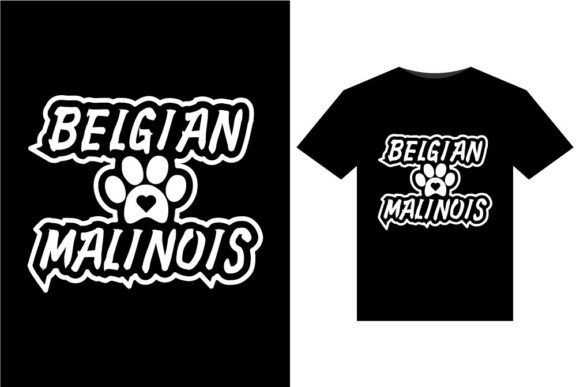
Belgian Malinois T-Shirts Design Review
I recently took on a request from a repeat client who wanted custom embroidered tote bags for a local dog rescue fundraiser. The ask was straightforward: a clean, recognizable Belgian Malinois silhouette that would stitch out cleanly on cotton totes and hold up to heavy use. After digging through several options, I landed on the Belgian Malinois T-Shirts Design set and put it through the kind of real project testing that matters when you are selling finished goods or building an embroidery-based business. Here is what I found.
First Impression: Clean Lines and Confident Presence
Opening the files, the first thing that struck me was the clarity of the silhouette work. The Belgian Malinois T-Shirts Design delivers a bold, recognizable outline that captures the breed's alert posture and athletic build without cluttering the frame with excessive detail. That matters more than most buyers realize. In embroidery, less is often more, especially when you are stitching onto apparel that needs to survive washing, folding, and daily wear. The vector origin gives the artwork a crisp edge that translates directly into cleaner stitch paths, and the resizable nature means I can drop it onto a small cap front or scale it up for a sweatshirt back without worrying about pixelation or lost shape integrity.
The mood of this design is confident and purposeful. It does not try to be cute or overly decorative. It simply presents the Belgian Malinois in a way that dog people immediately recognize. That authenticity is valuable whether you are designing for a breed-specific Etsy shop, a training facility's merchandise line, or a custom gift for a proud owner. The design respects the dog's natural proportions and stance, which builds trust with the customer before they even place their order.
Real Embroidery Performance: Where It Shines in Production
I tested the Belgian Malinois T-Shirts Design on several product types to see how it would behave under production conditions. First up was a medium-weight cotton tote bag using a standard 5x7 hoop. The shape stitched out cleanly with smooth satin stitch edges and a fill stitch interior that did not bunch or distort the fabric. The thread path was logical, and the design required fewer color changes than many animal-themed embroidery files I have used. That efficiency adds up when you are running multiple units for a craft fair or custom order batch.
Next, I tested it on a structured cap using a 4x4 hoop. This is where many dog designs fail because their proportions do not compress well. The Belgian Malinois T-Shirts Design handled the curved surface admirably. The main body of the design fits within the cap front without clipping ears or tails, and the density stayed consistent across the curve. I recommend using a cutaway stabilizer for caps to maintain edge definition, but that is standard advice for any design with filled areas.
I also stitched a sample onto a pre-shrunk sweatshirt as a chest piece. Here the design really came to life. The thread coverage was even, and the stitch density felt appropriate for a garment that will see regular wear and washing. The design did not sink into the fleece backing, and the outline remained sharp after three wash tests on a gentle cycle. For anyone running a custom apparel side hustle or building a small shop product line, this is the kind of performance that reduces returns and builds repeat buyers.
On lightweight cotton t-shirts, the design also performed well as long as I paired it with a medium-weight tear-away stabilizer. The fill stitches did not pull the fabric, and the overall footprint sat flat against the chest. If you are an Etsy seller or handmade shop owner looking for a reliable dog embroidery file that works across multiple garment types, this design earns a solid recommendation for its versatility.
Where to Use This Design Carefully
No design is perfect for every surface, and the Belgian Malinois T-Shirts Design has a few considerations worth noting. The shape includes some narrow sections around the legs and tail that could become problematic in very small hoop sizes. If you are working with a 3x3 hoop or smaller, I would test a scaled-down version on scrap fabric first to ensure those fine areas stitch out cleanly. On extremely textured fabrics like thick fleece or ribbed knits, the smaller details may lose definition, so consider a slightly larger scale or a simplified outline version for those substrates.
Dark fabric requires careful thread color selection. The design relies on silhouette recognition, so a dark thread on a dark background will swallow the shape entirely. I recommend high-contrast thread colors such as bright white, silver metallic, or a bold primary color if stitching onto black or navy garments. For light fabrics, a classic black or dark brown thread gives the design the crispness it needs to read well from a distance.
Stretchy fabrics such as jersey knits or spandex blends need extra attention. Use a cutaway stabilizer and consider a layer of temporary spray adhesive to keep the fabric from shifting during stitching. The fill stitch areas are dense enough to cause puckering on unstable materials if you skip proper hooping or stabilization. For baby onesies or children's clothing, test the design on a sample garment first because the stretch factor changes with smaller sizing.
If you plan to use this as an applique design, the shape works well for a single-layer fabric applique with a satin stitch border. Just be aware that the narrow leg and tail sections require careful fabric trimming. A sharp pair of applique scissors and a steady hand make the difference between a professional finish and a frayed edge.
Visual Appeal, Product Value, and Customer Trust
The visual appeal of the Belgian Malinois T-Shirts Design directly influences how customers perceive your finished product. In my experience, dog owners are some of the most discerning buyers in the custom embroidery market. They know the breed's proportions, ear set, and body language. A design that gets those details wrong feels off even to a non-expert observer. This design gets them right, and that accuracy translates into higher perceived value for your handmade product.
When I featured the tote bag prototypes in a small Instagram product preview, the engagement was noticeably higher than with generic dog silhouette designs. Comments focused on how "real" the dog looked, and several followers asked if I could customize the thread color to match their specific dog's coat. That kind of response is gold for a craft business or digital product seller. It means the design is doing its job of creating an emotional connection with the buyer before they even complete the purchase.
For commercial embroidery projects, this design reads as professional and intentional. It does not look like a free clip art trace. The vector quality ensures that your finished product has a clean, modern appearance that holds up next to other branded merchandise. If you are selling finished products on Etsy or at craft fairs, consistent design quality builds repeat customers and word-of-mouth referrals. A shirt with a muddy or poorly proportioned dog design hurts your brand more than a plain shirt ever could.
The design also works well for personalized gifts such as holiday embroidery, wedding gifts for dog-owning couples, or memorial pieces for a beloved pet. Its classic silhouette style fits naturally into a gift context without feeling overly commercial. Pair it with the dog's name in a complementary font, and you have a custom product that feels thoughtful and intentional.
Practical Embroidery Designer Notes Before You Stitch
Before I commit any design to production, I always run through a short checklist, and I recommend the same to anyone using the Belgian Malinois T-Shirts Design for their own projects.
- Test on scrap fabric first. Even though the design is vector-based and resizable, every fabric behaves differently. A quick test stitch on a material similar to your final product saves time and thread later.
- Check thread color contrast. Because this is a silhouette-style design, the contrast between thread and fabric is the single most important factor in how readable the finished embroidery will be. Hold your chosen thread next to the fabric in natural light before stitching.
- Review stitch density. The fill stitch areas in this design are moderate, but if you scale the design up significantly, the density may increase in ways that affect fabric drape. Test at your intended size before running a batch.
- Confirm hoop size. The design fits comfortably in a 5x7 hoop at its default size, but verify that your hoop can accommodate the full shape without crowding the edges. A tight fit risks needle strikes on the hoop frame.
- Inspect small details. The narrow leg sections and tail tip should be checked carefully after test stitching. If they are too thin for your fabric or machine combination, consider a slightly larger scale or a simplified outline version.
- Test in black and white mockups. Before stitching, view the design in a single-color mockup to confirm that the shape reads clearly without relying on thread color to define the form.
- Compare light and dark fabric backgrounds. A design that looks perfect on a white cotton tee might disappear on a charcoal hoodie. Test both scenarios if you plan to offer multi-color garment options.
- Use proper stabilizer. For most applications, a medium-weight cutaway stabilizer gives the best balance of support and softness. For stretchy or unstable fabrics, upgrade to a heavy-weight stabilizer or add a topper layer.
- Confirm licensing for commercial use. Because this is a print-ready T-Shirts design in vector format, check the license terms before selling finished items or using it in digital embroidery file products. If the license permits commercial embroidery and resale of finished goods, you are clear to proceed. If you plan to sell the design itself as a digital embroidery file, confirm that the license covers that use case.
Who This Design Works Best For
After working through multiple projects with this design, I can confidently recommend it for embroidery designers, small business owners, crafters, Etsy sellers, handmade shop owners, apparel decorators, and creative entrepreneurs who need a reliable Belgian Malinois representation for custom apparel, accessories, or gifts. It also works well for digital product sellers who want to include a strong dog design in their design assets library, as long as the licensing allows for that distribution.
The design fits naturally into boutique branding for dog-related businesses, craft fair products, and small shop merchandise. Its vector format makes it easy to incorporate into printable mockups and product previews for online listings, which saves time when building out your storefront.
For hobbyists and makers who enjoy creating personalized products for friends and family, this design offers a satisfying stitching experience with professional results. The learning curve is low, and the payoff in terms of finished product quality is high.
Final Thoughts on the Belgian Malinois T-Shirts Design
The Belgian Malinois T-Shirts Design is a solid choice for anyone who needs a clean, breed-accurate dog silhouette for embroidery or apparel decoration. It performs reliably across a range of fabric types and product styles, from tote bags and caps to sweatshirts and t-shirts. The vector format gives you full control over sizing without losing quality, and the silhouette approach keeps stitching time reasonable while still delivering a design that dog owners recognize and appreciate.
If you are building a product line around custom dog embroidery or simply need a dependable design for a specific project, this is one of the better options I have tested in this category. Just take the time to test your fabric and thread combinations, pay attention to stabilization, and confirm your licensing before selling finished pieces or digital files. With those boxes checked, this design will serve you well across many projects and many happy customers.