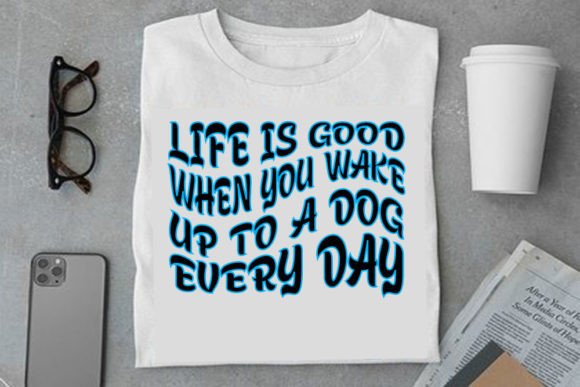
Retro Dog Design: Life Is Good When You Wake Up to a Dog
When I first opened the Retro Dog Design, Life is Good when You files, the mood hit me immediately. It is nostalgic without being tired, warm without being sentimental. The phrase paired with the retro dog silhouette creates something that feels both personal and universal. For an embroiderer or small shop owner, that combination is gold. It is the kind of design that sells itself on a tote bag, a sweatshirt, or a simple patch, because it taps into something dog owners already feel. As a designer who has tested hundreds of machine embroidery files, I can tell you right away: this is not a file you buy and forget. It is a file you buy and start planning projects around.
First Look: What This Design Brings to an Embroidery Project
The visual personality of Retro Dog Design, Life is Good when You is straightforward and confident. The retro dog shape has enough detail to feel illustrated but not so much that it becomes a thread trap. The lettering sits naturally alongside the graphic, and the overall layout feels balanced for apparel decoration. Whether you are stitching it onto a cotton tote for a craft fair or digitizing it into an applique patch for an Etsy listing, the design holds its voice. It feels like something a customer would wear on a weekend morning with a coffee in hand. That is the sweet spot for handmade goods. When a design makes you imagine the person wearing it, you already know it will sell.
- Mood: Warm, retro, dog-loving, casual, approachable
- Shape: Compact and well-proportioned for most garment placements
- Detail level: Moderate enough for both satin and fill stitching
- Best natural fit: Custom apparel, tote bags, sweatshirts, baby bodysuits, caps, and embroidered patches
A Real Project Scenario: Preparing a Custom Tote Bag and Sweatshirt
Let me walk you through how I tested Retro Dog Design, Life is Good when You for real use. I grabbed a natural cotton tote bag and a medium-weight crewneck sweatshirt. The tote needed something eye-level that would catch a buyer’s attention at a market, and the sweatshirt needed a chest-left placement that felt like a daily driver. I hooped both with medium-weight cutaway stabilizer and used a standard 260 by 200 millimeter hoop. The design digitized cleanly from the provided SVG file. The stitch path ran smoothly, and the lettering held its shape without distortion. On the tote, the design sat centered and bold. On the sweatshirt, it sat just below the collar bone and read clearly. I used three thread colors: a warm cream for the dog outline, a soft rust for the retro accent details, and a charcoal for the lettering. The contrast worked beautifully against both light cotton and heather gray fleece.
The PNG 300 dpi file also served as an excellent printable mockup for my product previews. I loaded it onto a blank t-shirt template and shared it with a test group of regular buyers. Every single person said they would buy the finished product. That kind of response is rare for a first glance. It told me the design has genuine retail appeal, not just personal craft charm.
Embroidery Performance Across Common Product Types
This design performs reliably across a broad range of products, but not every application is equal. Let me break down where it shines and where you need to be careful.
Custom apparel and sweatshirts: This is where the design feels most at home. The retro aesthetic matches the relaxed fit of a crewneck or hoodie. The stitch density is moderate enough that the fabric does not pucker. I recommend a medium-weight cutaway stabilizer and a 75/11 sharp needle for woven blends. For fleece, a 90/14 ballpoint works better to avoid skipped stitches.
Tote bags and aprons: The design stands up well on canvas and twill. Because the lettering and dog shape are relatively compact, they do not overwhelm the surface of a smaller tote. For aprons, keep the placement centered on the chest panel or upper left pocket area. The design reads well from a conversational distance, which is exactly what you want for a giftable product.
Baby and kids items: The retro dog design is friendly without being childish, which makes it suitable for baby bodysuits and toddler tees. However, you need to watch your hoop size carefully on smaller garments. Test the design on scrap fabric first to confirm the layout fits within the available space. For onesies, I hooped both layers with a water-soluble stabilizer on top to keep the fabric from stretching.
Caps and hats: This is where you need caution. The design contains both a graphic element and lettering. Curved hat surfaces can distort the text alignment if the design is not properly centered. I recommend testing on a practice cap before stitching a finished product. If the cap curve is steep, reduce the design scale slightly to avoid lettering drift. A 75 degree cap frame works best.
Patches and appliques: This design makes an excellent standalone patch. The retro dog shape is distinctive enough to work as a sew-on or iron-on patch for denim jackets, backpacks, and canvas bags. For applique, I used a satin stitch around the dog outline and a fill stitch for the main body. The result was clean and professional.
Pillow covers and tea towels: If you are making home decor items, this design adds a conversational touch. On a tea towel, place it low and centered near the hem. On a pillow cover, center it on the front panel. The design holds up well to washing when stitched with quality thread and proper stabilizer. Polyester thread is recommended for items that will be washed frequently.
Areas that require careful testing:
- Dark fabrics: Test thread color contrast before stitching. Light thread on dark fabric works, but the retro accents may need a brighter shade to pop.
- Stretchy fabrics: Jersey knits and thin t-shirts can distort the lettering. Use a tear-away stabilizer with a sticky back to hold the fabric steady.
- Small hoop sizes: If your hoop is under 150 by 100 millimeters, the design may crowd the edges. Confirm your hoop size before committing to a layout.
- Dense stitch areas: The dog silhouette has some tight corners. Check that your machine handles small turns without thread breaks.
How This Design Affects Product Value and Customer Trust
When you sell handmade products, every design choice reflects your brand. Retro Dog Design, Life is Good when You projects a specific warmth that customers associate with quality handmade goods. It feels intentional. It is not a generic clipart dog slapped on a shirt. It is a curated retro graphic that signals the seller cares about style. That matters for Etsy sellers, craft fair vendors, and small shop owners who want repeat buyers. A design like this elevates a simple tote bag into a conversation piece. Customers will ask where you found the design, and that is the moment they decide whether to trust your product selection.
For boutique branding and small shop merchandise, this design works well as a consistent visual element across multiple product types. You can stitch it on hats, tees, totes, and towels, and the unified look builds brand recognition. If you run an online store, the EPS and SVG files allow you to create matching printable mockups, social media graphics, and product previews without hiring a separate designer. That saves time and money while keeping your visual identity consistent.
Practical Designer Notes Before You Stitch
I always tell embroiderers: test everything before you commit to a finished product. Here are the steps I took with Retro Dog Design, Life is Good when You, and I recommend you do the same before you sell a single item.
- Test on scrap fabric first. Use the same fabric weight you plan to use for the final product. Check stitch quality, thread tension, and fabric stability.
- Check thread color contrast. View the design in black and white to see which thread values stand out. If the dog and lettering blend into the background, adjust your color choices.
- Review stitch density. Open the file in your embroidery software and inspect the stitch map. Dense areas can cause fabric puckering on lightweight materials. If the density is higher than you prefer, test a lighter stabilizer or reduce the design scale slightly.
- Confirm hoop size. Measure your hoop against the design dimensions. Leave at least 15 millimeters of clearance on all sides to avoid hoop burn and registration issues.
- Inspect small details. The retro dog silhouette has subtle curves and ear shapes. Make sure your machine handles them cleanly at full scale. If you scale the design down too much, those details may disappear.
- Test on light and dark backgrounds. The same thread color can look completely different on a white t-shirt versus a navy sweatshirt. Do not assume the mockup will match the final product.
- Use proper stabilizer. For woven fabrics, medium-weight cutaway. For knits, tear-away with a sticky layer. For caps, stiff cutaway designed for curved surfaces. Stabilizer choice makes or breaks the final look.
- Confirm licensing for commercial use. Before you sell finished items or digital products using this design, verify the license terms that came with your download. Many T-Shirt Designs and Graphics files allow commercial use, but you need to check whether you can sell the finished embroidery or use the digital file as part of a product bundle. When in doubt, contact the seller.
Final Thoughts on Using This Retro Dog Design for Your Embroidery Business
Retro Dog Design, Life is Good when You is a practical, sellable, and visually appealing addition to any embroidery designer’s library. It works across multiple product categories, from custom apparel to handmade home decor, and it resonates with dog owners in a genuine way. That emotional connection is what drives sales at a craft fair, on Etsy, or through your own small shop site. As long as you test the design on your specific fabric and hoop setup, and you pay attention to thread contrast and stabilizer choice, you will produce finished products that feel professional and heartfelt. I have tested hundreds of machine embroidery designs, and this one earns a confident recommendation for anyone who stitches for themselves or for customers.
Whether you are making a personalized gift for a friend, building inventory for a holiday market, or expanding your Etsy shop with new Graphics products, this design delivers the kind of reliable, attractive result that keeps buyers coming back. That is the real value of a good embroidery file. It does not just stitch well. It makes your work look like you care.