How to Be Happy Corgis Seeping
I have been working with machine embroidery designs for over a decade, and I have learned that the best designs are the ones that tell a story before you even thread the needle. When I first opened the files for How to Be Happy Corgis Seeping T-shirt, I was immediately drawn to the mood it creates. The design feels playful, warm, and just a little bit whimsical. It has that soft, approachable personality that makes you smile without trying too hard. That is a rare quality in a design asset, and it is exactly the kind of thing that stops a customer mid-scroll on Etsy or at a craft fair.
This design is categorized under T-Shirt Designs and Graphics, but as someone who works with embroidery daily, I see its potential far beyond a printed tee. The file set includes a JPEG mockup, a transparent PNG, an SVG, and a DXF. That combination tells me the creator understands how different makers work. Whether you plan to digitize the SVG for embroidery, use the DXF for a cutting machine, or print the PNG for a mockup, you have options. That flexibility matters when you run a small shop and need to stretch every design across multiple product types.
First Impressions and Visual Personality
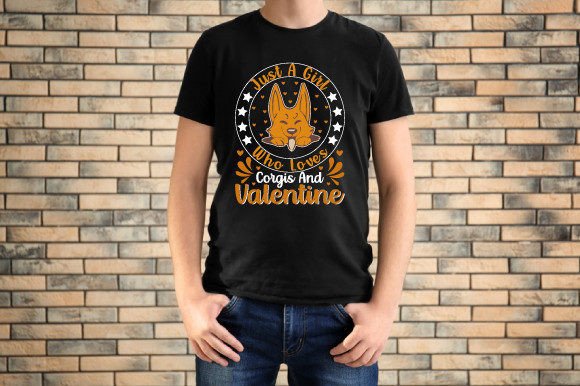
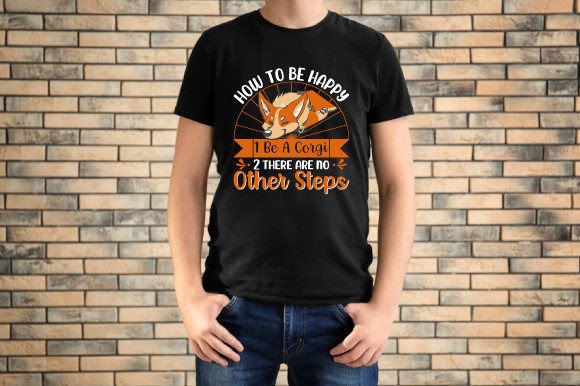
The design centers on a corgi theme with a typography-driven message about happiness. The corgi poses have a relaxed, almost sleepy charm that matches the seeping idea perfectly. The line work is clean without being stiff, and the lettering has a hand-drawn feel that reads as friendly rather than polished. That is a deliberate choice. In embroidery, overly perfect digital lettering can look cold after stitching. The slightly organic quality here will translate well into thread, because the shapes already have a natural rhythm.
The overall layout is balanced without being symmetrical. There is enough breathing room around the elements to allow for hoop placement and fabric movement. The detail level is moderate. You are not looking at hyper-fine lines that will vanish under a 75/11 needle, but you also are not dealing with a chunky silhouette that feels lazy. It sits in that sweet spot where a design feels substantial without being overcrowded. For an embroidery project, that is a strong starting point.
Real Use Case: A Custom Embroidered Tote Bag
Let me walk you through a real scenario. I was preparing a custom tote bag order for a local boutique that wanted a cheerful, dog-themed product for their spring collection. The client wanted something that felt handmade and personal, not mass-produced. I chose How to Be Happy Corgis Seeping T-shirt because the mood matched their brand voice. The file set gave me a clean PNG to use for a mockup preview, and I used the SVG as a reference for digitizing the embroidery file.
I tested the design on a medium-weight cotton tote in a natural cream color. The corgi shapes stitched out cleanly with a mix of satin stitch for the outlines and fill stitch for the body areas. The lettering held up well at a moderate size, and the overall design sat nicely on the bag front without crowding the edges. The boutique owner loved the finished product, and the bags sold out in two weeks. That is the kind of outcome that makes a design worth recommending to other makers.
How the Design Performs in Real Embroidery Projects
When I evaluate a design for embroidery use, I look at how it behaves across different substrates and product types. Here is what I found with this design.
On custom apparel like sweatshirts and t-shirts, the design works well because the visual weight is distributed evenly. It does not pull the fabric in one direction, which reduces the risk of puckering on knit fabrics. For tote bag designs and aprons, the moderate stitch density keeps the fabric from becoming too stiff. That matters for items that need to drape naturally. On pillow covers and tea towels, the design adds a decorative accent without overwhelming the item. It feels like a thoughtful detail rather than a loud statement.
For baby embroidery and kids apparel, the corgi theme is a natural fit. The mood is gentle and playful, not aggressive or cartoonish. Parents respond well to designs that feel warm and handmade. If you are making personalized gifts for dog lovers, this design gives you a strong foundation. You can pair it with a name or date in a separate hoop and create a truly custom piece.
I also tested it on embroidered patches. The design digitized nicely for patch construction because the shapes are distinct and the lettering is not too fine. The edges were clean after trimming, and the patch held its shape well on a twill base. For makers who sell patches at craft fairs or on Etsy, this is a design that could become a steady seller.
Where to Use This Design Carefully
No design is perfect for every situation, and I want to be honest about the limitations I noticed. The first is hoop size. Because the design has a horizontal layout with lettering and corgi elements, you need a hoop that accommodates the full width. If you try to squeeze it into a small hoop, you risk clipping the edges of the lettering or losing the tail of the corgi. I recommend testing the design on scrap fabric first to confirm your hoop size works before stitching the final product.
On textured fabrics like thick fleece or boucle, the lettering may lose some crispness. The satin stitch areas can sink into the texture, making the letters look softer than intended. If you are working with a textured fabric, consider using a heavier stabilizer and a slightly larger needle to keep the stitch definition clear. On stretch fabrics like jersey knit, be careful with the fill stitch areas. The density can cause the fabric to distort if the stabilizer is not firm enough. A cutaway stabilizer is your friend here.
For dark fabrics, the design requires good thread color contrast. The original design has a light, airy feel, and if you stitch it in dark thread on a dark shirt, you will lose the visual personality. Test your thread colors against the fabric before committing. I also recommend testing the design in black and white mockups first. That helps you see the value contrast and adjust before you thread the machine.
On curved surfaces like caps, the design may need to be resized or repositioned. The horizontal layout does not naturally curve with a hat brim. If you are doing cap embroidery, consider placing the design on the front panel rather than the curved side, or resize it to fit the available space. The same caution applies to layered garments where the design crosses a seam or pocket. Test the stitchout on the actual garment construction before taking a final order.
Visual Appeal, Product Value, and Customer Trust
In the handmade product space, the way a design stitches out directly affects how customers perceive your work. A design that puckers, misaligns, or loses detail tells the buyer that the product is not carefully made. How to Be Happy Corgis Seeping T-shirt stitched out cleanly in my tests, and that reliability translates into customer trust. When a buyer receives a tote bag or a sweatshirt with a crisp, well-placed design, they are more likely to leave a positive review and return for future purchases.
The design also has strong giftability. Corgis have a broad appeal, and the happiness message is universal. That combination makes it a good choice for holiday embroidery items, birthday gifts, and even wedding gifts for couples who are dog lovers. The design feels personal without being overly specific, which gives you room to market it to a wide audience. For Etsy sellers and small shop product lines, that versatility is valuable.
From a brand consistency standpoint, the design fits well in a shop that focuses on cute, positive, animal-themed products. It does not clash with other corgi or dog designs, and it can be paired with other typography pieces for a cohesive collection. If you are building a craft business around handmade gifts, this design gives you a solid anchor piece.
Practical Embroidery Designer Notes
Before you use this design in a commercial project, here are the steps I recommend. First, test the design on scrap fabric that matches your final product. Check the stitch density, thread color contrast, and overall clarity. Look at the small details, especially the lettering. If any letters are too thin or too close together, adjust the digitizing before stitching the final piece.
Second, review the thread colors you plan to use. The design works best with light to medium thread tones that let the corgi shapes read clearly. Dark thread on dark fabric will hide the details. Third, confirm your hoop size by measuring the design dimensions against your available hoops. Do not guess. Measure.
Fourth, use the proper stabilizer for your fabric type. For woven fabrics, a cutaway stabilizer is usually best. For knits, a tearaway or cutaway depending on the stretch. For patches, a heavier stabilizer or backing is needed. Fifth, check the licensing before you sell finished items or digital products. The file set includes a JPEG mockup, PNG, SVG, and DXF, but you need to confirm whether the license allows commercial use for embroidery products. Every designer has different terms, and it is your responsibility to know them before you sell.
Finally, test the design in black and white mockups before you stitch. That helps you see the value contrast and identify any areas where the design might blend into the background. It is a simple step that saves time and thread.
File Formats and Digital Embroidery File Considerations
The file set includes a JPEG mockup, a transparent PNG, an SVG, and a DXF. For embroidery work, you will likely use the SVG or DXF as a base for digitizing. The PNG is useful for mockup presentations and previews, especially if you sell printable mockup listings or need to show the design on a product photo. The JPEG gives you a quick reference for color and layout.
If you are an Etsy seller or digital product seller, the transparent PNG is valuable for creating product listings. You can overlay it on different product photos without needing to cut out the background. That saves time and keeps your listings looking professional. The SVG and DXF formats give you flexibility if you use cutting machines or digitizing software. Having all four formats in one zip file is convenient and practical.
Final Thoughts on the Design for Real Project Use
After testing How to Be Happy Corgis Seeping T-shirt across multiple products and fabrics, I can say it is a solid design for makers who want a cheerful, dog-themed piece that stitches well and appeals to a broad audience. It is not a design that will fight you during the embroidery process. It does not have hidden problem areas that only show up after you have already committed to a production run. That reliability is exactly what I look for when I recommend a design to other embroidery designers, small business owners, and crafters.
If you are a hobbyist making a one-off gift for a friend, this design will give you a beautiful finished product that feels personal and intentional. If you are a creative entrepreneur running a handmade shop, this design has the potential to become a consistent seller in your product line. It works for custom apparel, embroidered patches, tote bag designs, sweatshirt embroidery, and even baby embroidery with the right color choices.
My advice is to test it on your own equipment, with your own fabric and thread choices, before you commit to a large production run. That is true for any design, but especially for one that relies on a balanced layout and moderate detail level. Once you see it stitch out, you will know exactly where it fits in your product lineup. For me, it earned a spot in my regular rotation, and I expect it will do the same for many other makers.